

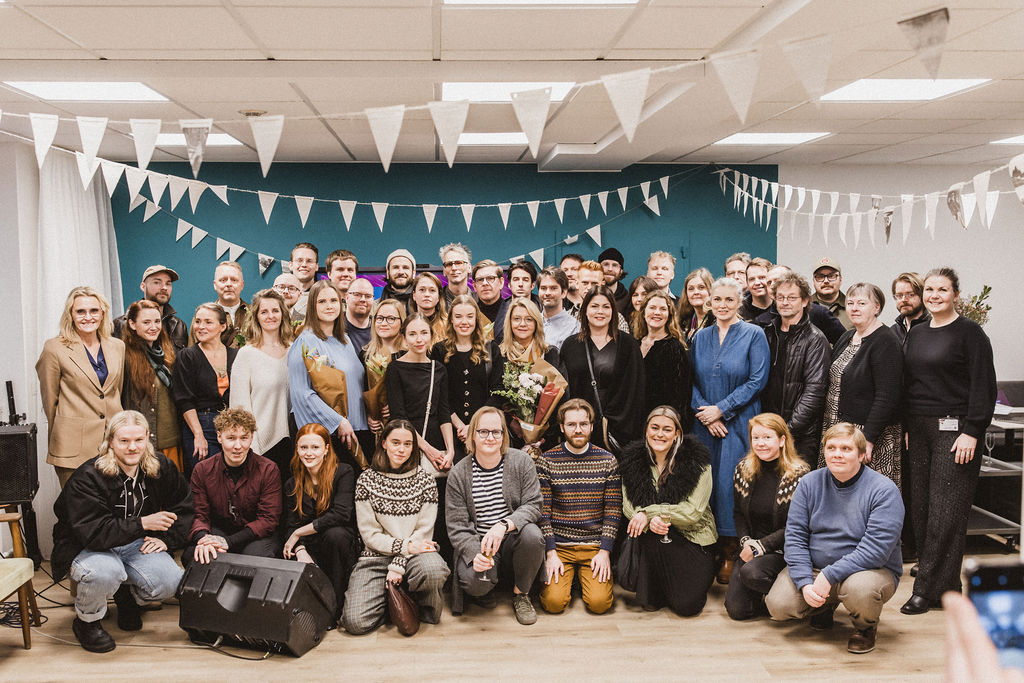
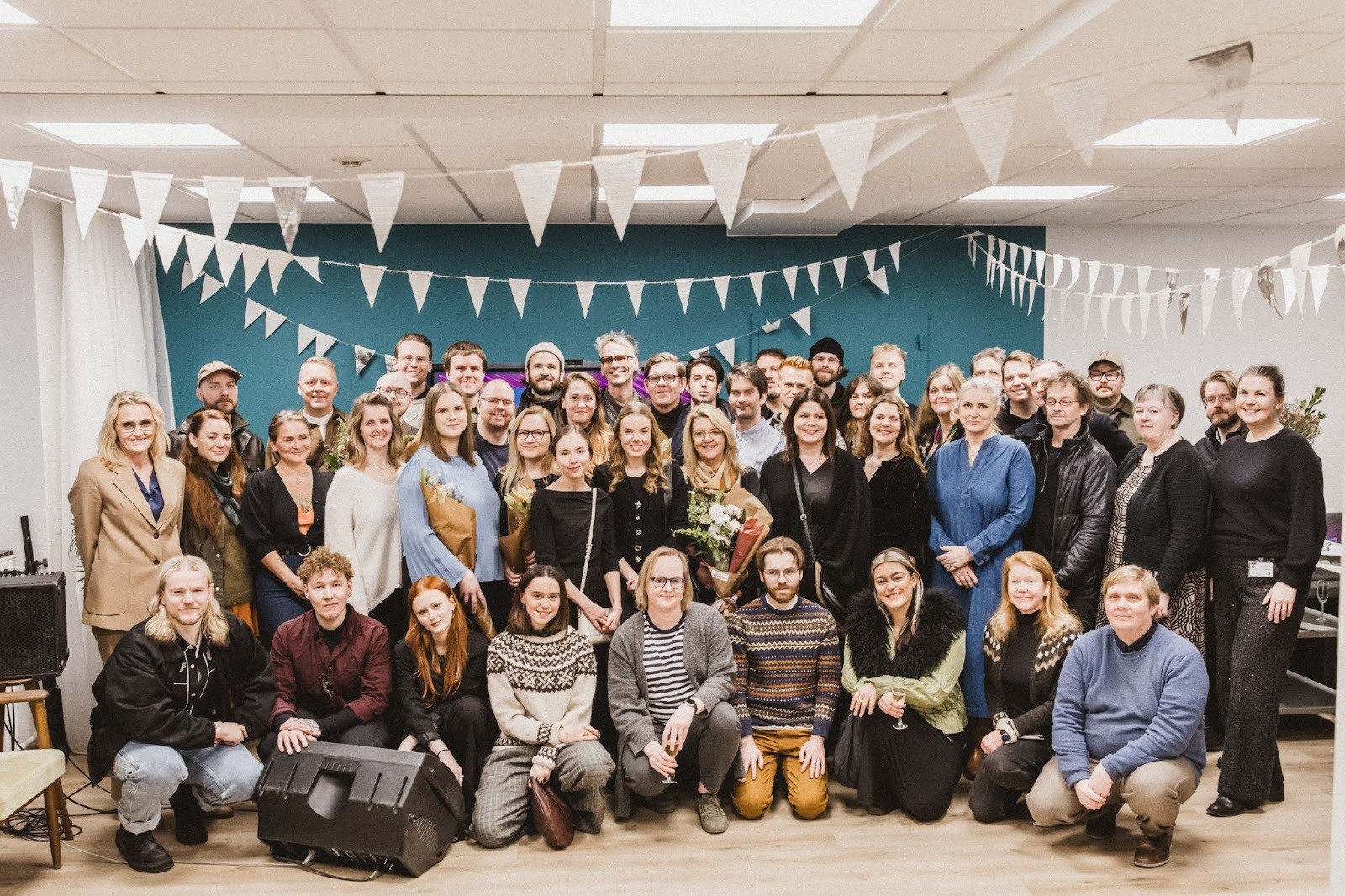
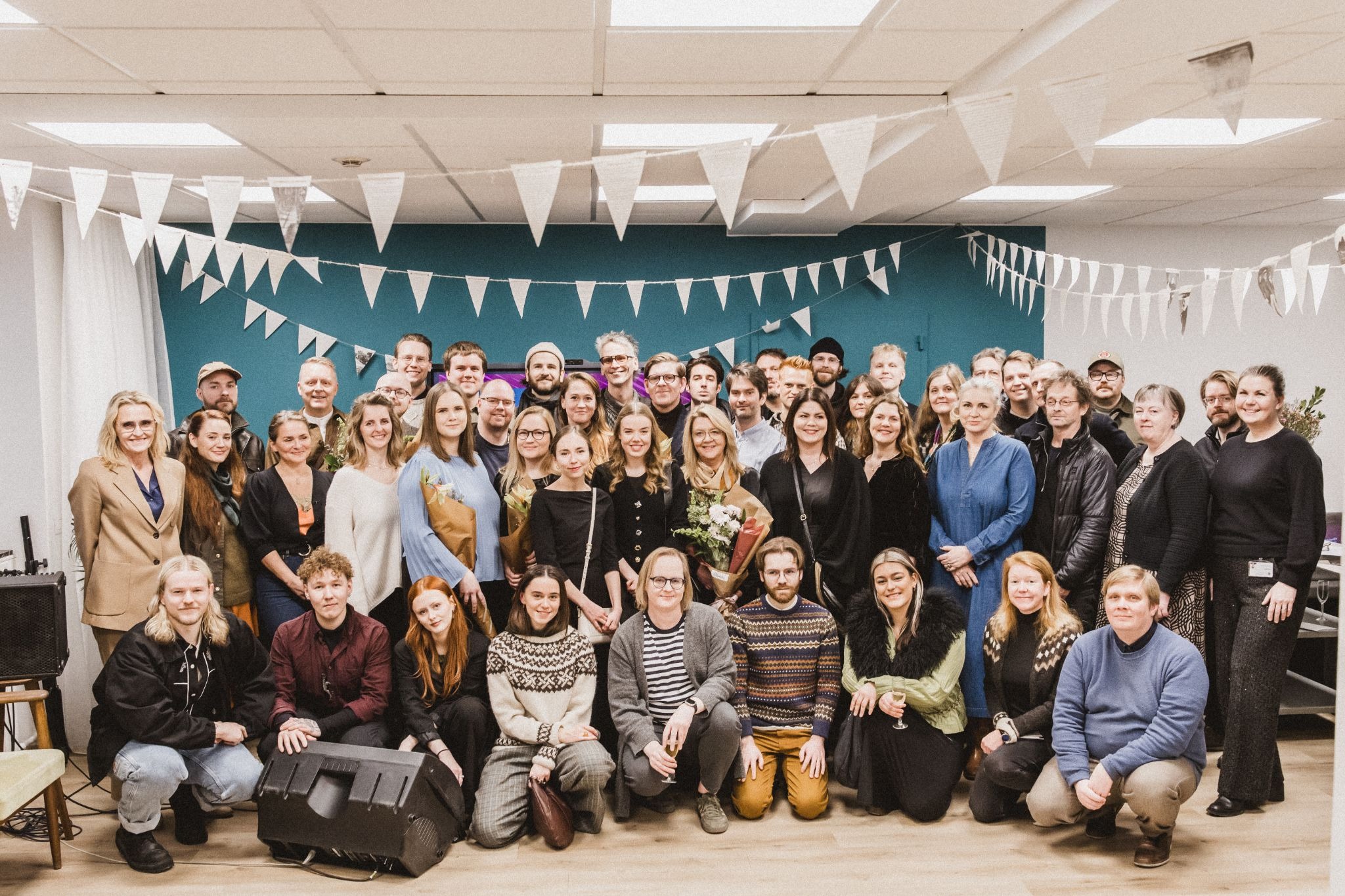
On Thursday, January 8, Iceland Music hosted a reception for the recipients of the first Music Fund allocation of 2026. Musicians, industry professionals, fund representatives, and other guests gathered to mark the occasion—the fourth allocation since the fund’s establishment in 2024. A total of 342 applications were received, and nearly 92 million ISK was distributed across 80 projects.
The recent allocation was significantly strengthened by an 11 million ISK contribution from the City of Reykjavík. The funds originated from the Guðjón Sigurðsson Music Fund, established in 1908 and recently dissolved. According to its charter, the fund’s goal was to ensure residents of the capital had free or affordable access to high-quality music for the general public.
In keeping with that mission, the capital was directed to the Music Fund’s infrastructure and development department. Emphasis was placed on public concerts at venues and music festivals in Reykjavík, with a quarter of the amount dedicated to projects for children.
“It is a cause for celebration that the late Guðjón's funds have finally been channeled appropriately after some 110 years, benefiting the Reykjavík music scene and the general public,” says Ása Dýradóttir, project manager for Reykjavík Music City. “The purpose of the Music Fund’s development and infrastructure department aligned closely with the goals of Guðjón’s Music Fund, and we were fortunate to join forces with the Music Fund for this allocation.”
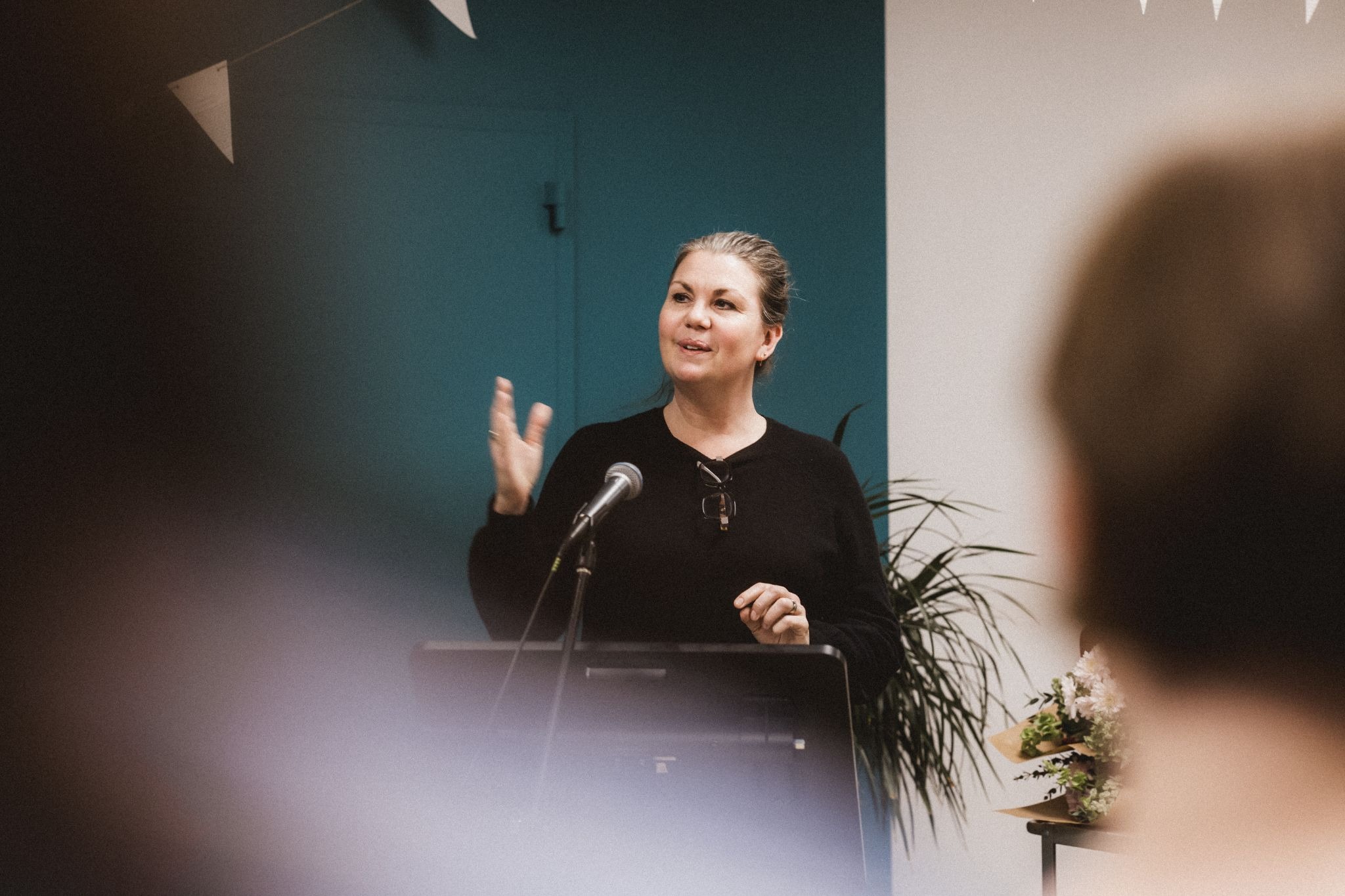
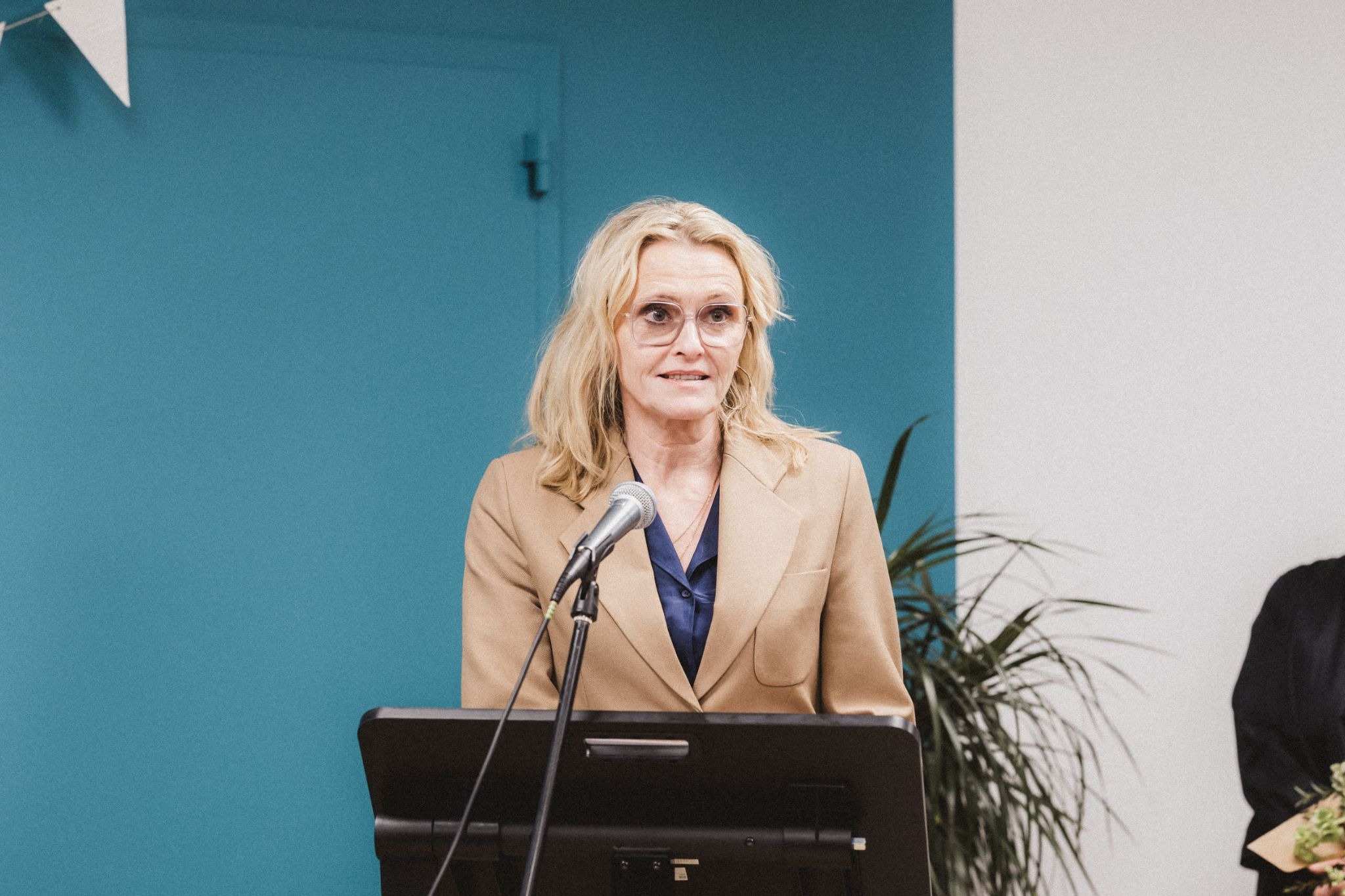
María Rut Reynisdóttir, Director of Iceland Music, opened the event by welcoming guests and recipients and reviewing a busy 2025 in music. She discussed the current momentum of Icelandic music, citing the notable international success of artists such as Laufey and Víkingur Heiðar. However, María emphasized that this success is rooted in the strong work being done domestically. She noted the thousands of concerts held throughout the year, the high volume of new releases, and the growing number of independent music companies strengthening the industry's infrastructure.
“There is incredible growth in Icelandic music right now, and the energy is inspiring,” said María Rut. “Our work at Iceland Music is primarily about serving this dynamic group and cultivating an environment where musicians have the space and support to create and promote their work.”
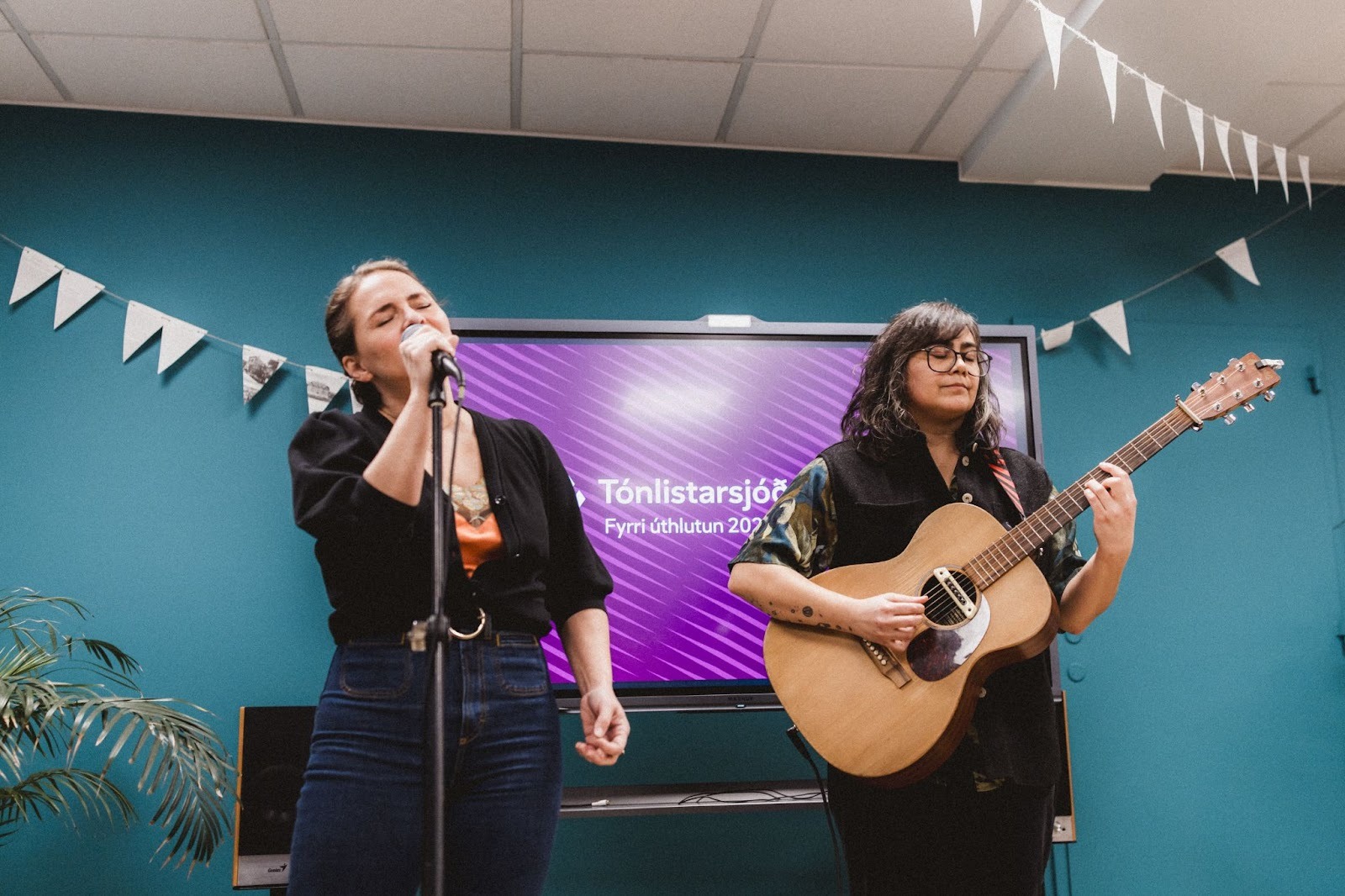
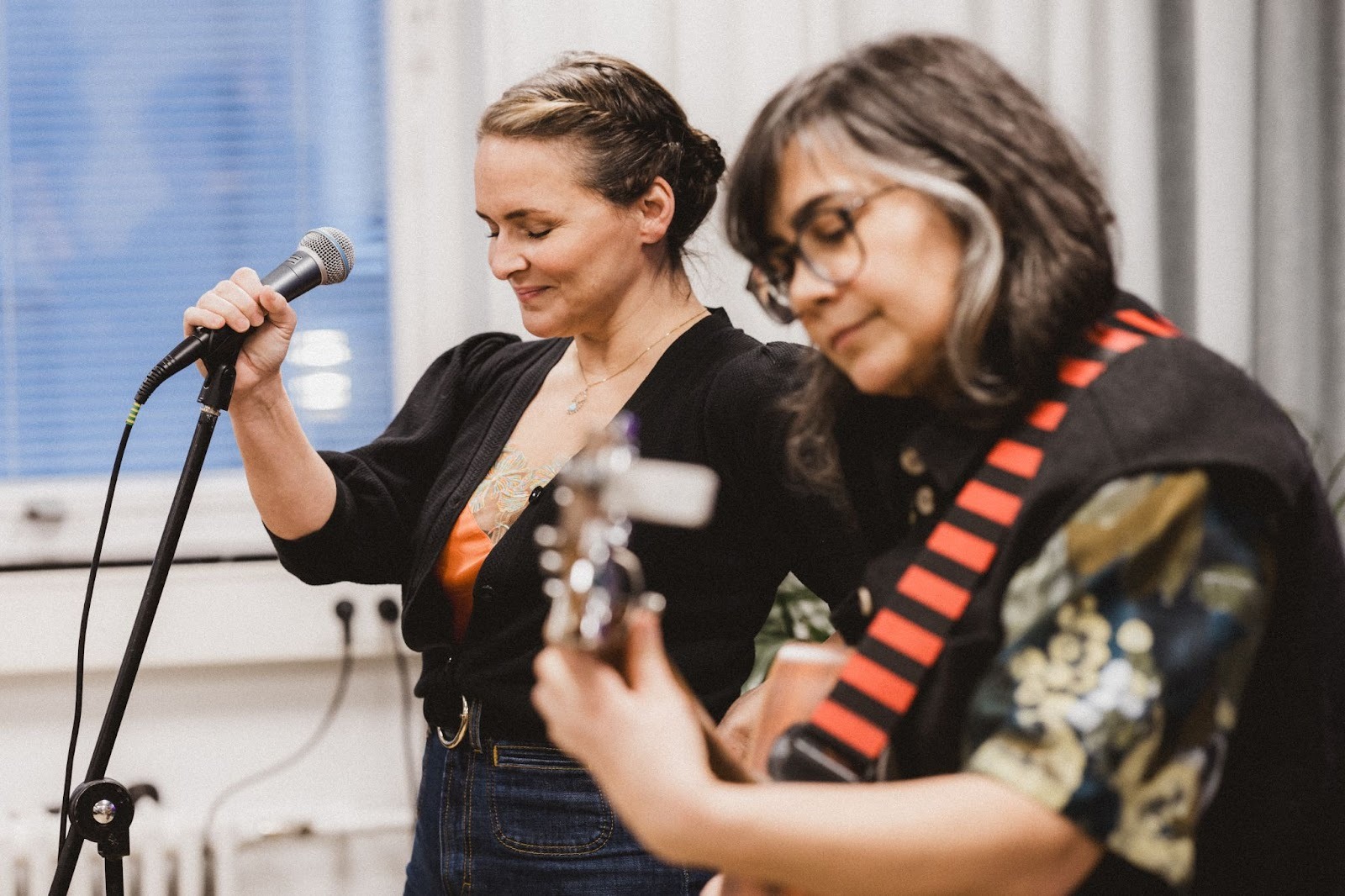
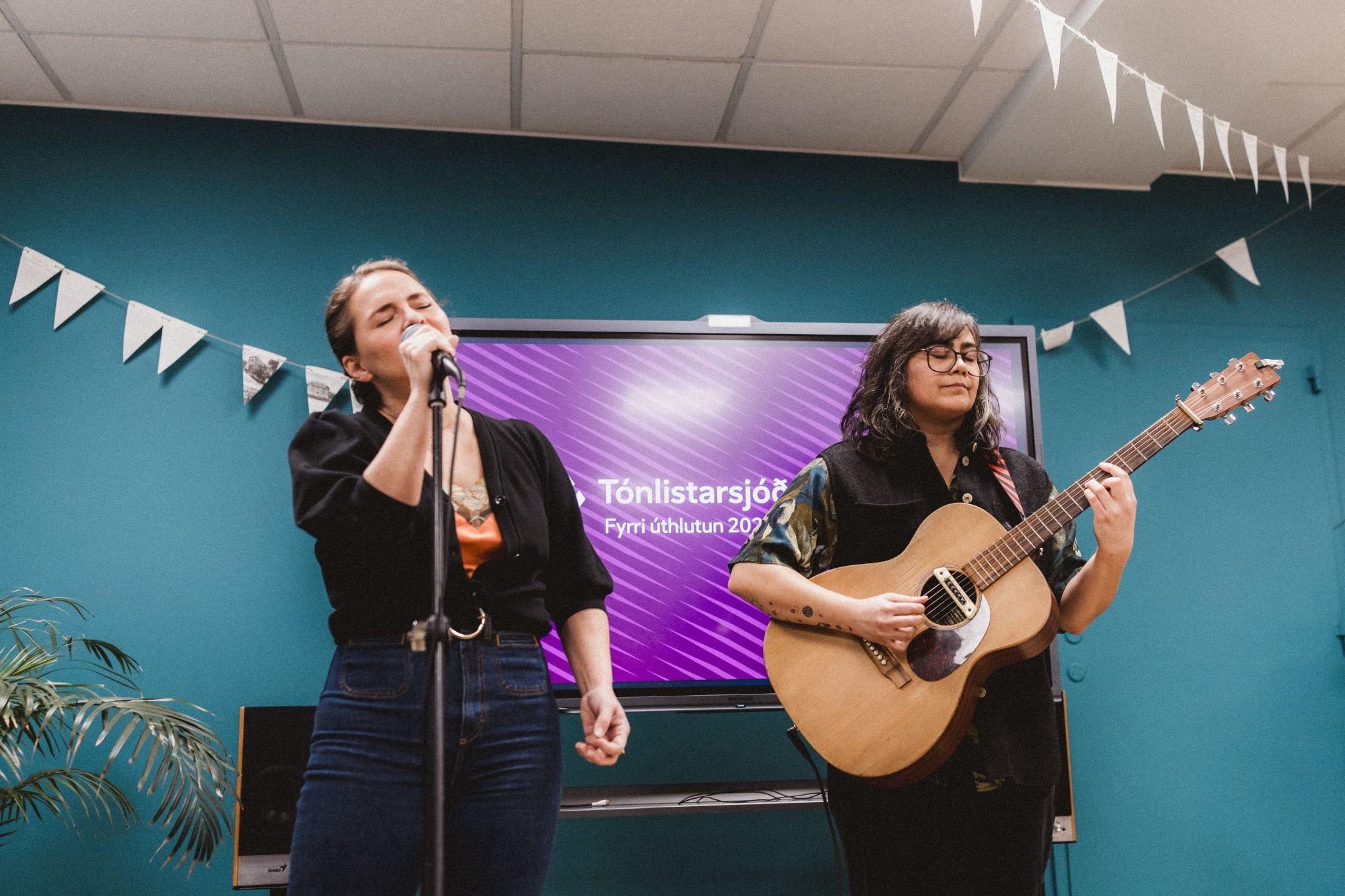
During the ceremony, Emilíana Torrini and Lay Low (Lovísa Elísabet Sigurðardóttir) performed the songs "Sunny Road" and "Miss Flower." Both artists were among this year’s grant recipients, each receiving the highest allocation of two million ISK from the creation and publishing department.
The next highest grants in the creation and publishing department were awarded to Áni Vilhjálmsson and Dagur Kristinn, who received 1.7 million ISK each.
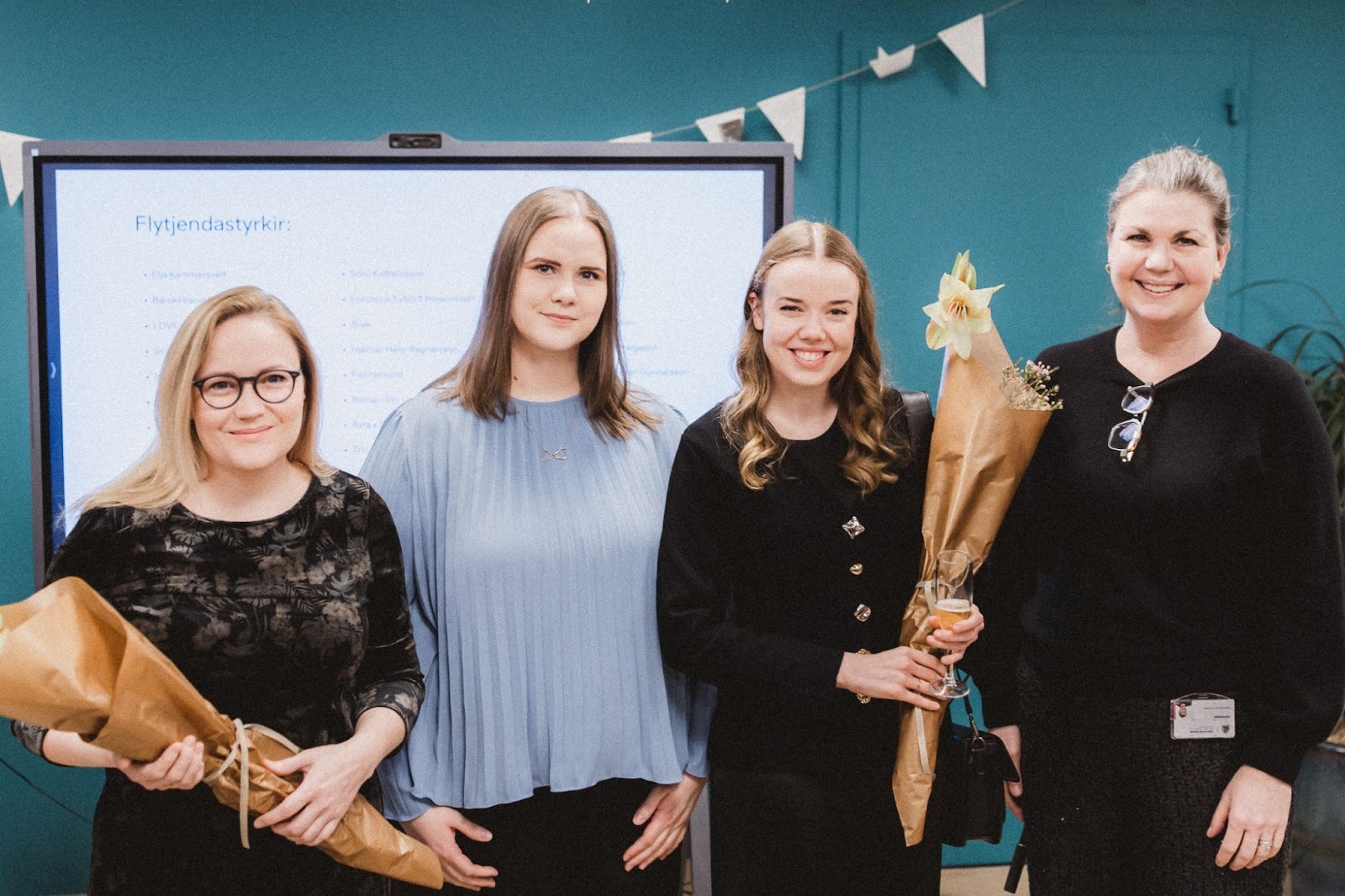
The art collective Marvaða received the highest project grant from the live performance department, 1.5 million ISK, for the experimental opera LOVE. Additionally, the opera company Sambandið, the East Iceland Symphony Orchestra, and Þórunn Guðmundsdóttir each received project grants of 1 million ISK. Two new two-year long-term contracts (2026–2027) were also established; the Elja chamber orchestra will receive 3.5 million ISK annually, and the baroque ensemble Brák will receive 2.5 million ISK annually.
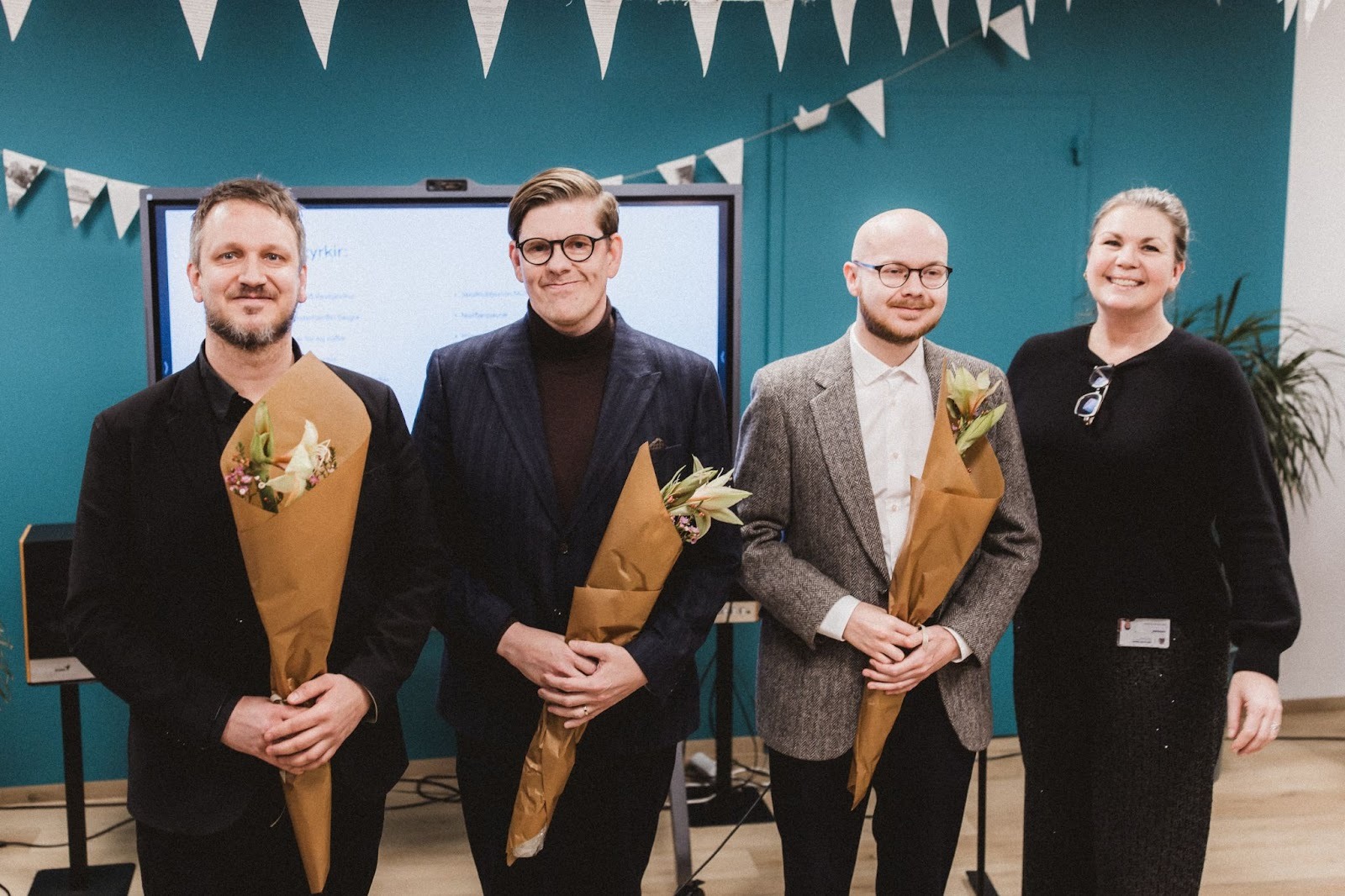
The highest business grants from the development and infrastructure department, 3 million ISK each, were awarded to Austurbæjarbíó and the Skálholt Summer Concerts. Hannesarholt and the Reykjavík Early Music Festival each received grants of 2 million ISK.
Three long-term contracts were also granted. The Reykjavík Jazz Festival will receive 4 million ISK annually and the Seigla music festival 2 million ISK, both for a three-year period. The rock festival Aldrei fór ég suður will receive 3 million ISK annually for the next two years.
The additional funding from the Guðjón Sigurðsson Music Fund was allocated to Austurbæjarbíó, Hannesarholt, the Seigla music festival, and the Reykjavík Jazz Festival.


Ásgeir, Elín Hall, and Daði Freyr received the highest marketing grants from the export department, each receiving 1.7 million ISK. Additionally, Björg Brjánsdóttir and JFDR were awarded marketing grants.

’










.svg)
.svg)
.svg)

